Deer Heart: Graphics for Crafts and Small Business Branding
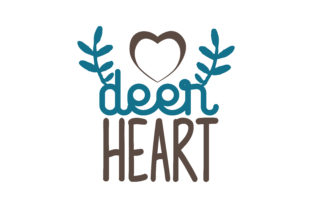
As a brand designer with years of experience in small business branding, I’ve come across countless graphic design assets. Deer Heart stands out as a versatile and evocative illustration that can elevate local business projects, especially in the crafts and handmade sectors. Its organic, nature-inspired aesthetic makes it ideal for brands looking to connect with customers through authenticity and visual storytelling.
The First Impression: Nature Meets Craftsmanship
Deer Heart immediately conveys a sense of warmth and natural beauty. The design feels handcrafted, suggesting a brand personality that is both artisanal and approachable. It leans into the rustic and organic, making it perfect for small businesses like a local bakery, handmade soap shop, or a boutique offering natural skincare products. The design has a soft yet distinctive presence, capable of adding a touch of elegance without overwhelming the viewer.
This graphic design asset works well for brands that want to emphasize their connection to nature, sustainability, or traditional craftsmanship. Whether it’s used on product labels, packaging accents, or social media graphics, Deer Heart can help create a cohesive and memorable brand identity.
Real-World Applications for Local Businesses
Deer Heart is more than just an illustration—it’s a flexible tool for small business branding. From logo design to product packaging, this graphic design asset can be adapted to multiple use cases. For example, a coffee shop might use it as a decorative element on their menu or as a background for seasonal promotions. A handmade soap brand could incorporate it into their product labels or as part of their website banner.
It also works well in printable design formats, such as thank-you cards, hang tags, or promotional flyers. When paired with a clean font, it adds visual interest without distracting from the message. In product mockups, Deer Heart can serve as a hero graphic that draws attention and reinforces brand messaging.
For social media graphics, Deer Heart can be used as a background or overlay, helping to create a consistent visual language across platforms. It’s also useful for editorial design, such as blog posts or email newsletters, where a natural, handcrafted feel enhances the overall tone.
Supporting Business Presentation and Brand Identity
Using Deer Heart in a small business branding project can significantly improve the overall presentation. It helps create a stronger first impression by reinforcing the brand’s visual identity. When used consistently across product labels, packaging design, and marketing visuals, it builds recognition and trust among customers.
This graphic design asset also supports better visual hierarchy. By using Deer Heart as a focal point, designers can guide the viewer’s eye toward key information, such as product names, pricing, or special offers. It adds depth and character to digital and print materials, making them more engaging and professional-looking.
For handmade businesses, Deer Heart can enhance the emotional connection between the brand and its audience. It communicates care, intention, and a personal touch—qualities that are essential for building customer loyalty and repeat business.
Where Deer Heart Shines: Practical Use Cases
Deer Heart excels in applications where a natural, artistic element is needed. It works well as a product label accent, especially for items like candles, soaps, or home decor. As a hero graphic, it can be used in promotional banners, seasonal packaging, or social media campaign visuals to grab attention and set the tone.
It also serves as a great decorative brand element for boutique stores or craft fairs. When used in product mockups, it gives a realistic preview of how the final design will look on actual items. For thank-you cards or printable inserts, it adds a personal and thoughtful touch that aligns with the brand’s values.
Deer Heart is particularly effective when used in conjunction with other design elements. It pairs well with serif fonts for a classic feel or with script fonts for a more whimsical, handwritten look. Testing it with different typefaces can help determine the best fit for a specific brand’s voice and style.
Where to Use It Carefully: Avoiding Common Pitfalls
While Deer Heart is versatile, there are situations where it may not be the best choice. For formal corporate branding, its organic style might not align with a sleek, minimalist aesthetic. In very small labels or crowded product packaging, it could become too busy and hard to read.
It should also be avoided in areas where legal information or ingredient lists are required, as it may compete with important text. On low-contrast backgrounds, it may not stand out as intended. For luxury minimalist brands, a more restrained design might be more appropriate.
Designers should always test Deer Heart on real packaging mockups and check how it looks in black and white. Previewing it on small labels and testing it with brand colors can help ensure it meets the project’s needs.
Practical Designer Notes: Ensuring Quality and Compliance
Before using Deer Heart for client work or physical product sales, it’s essential to confirm the commercial license. This ensures that the design asset can be used without legal issues. Reviewing the PNG transparency and inspecting the SVG or vector editability is also important for flexibility in different design applications.
Testing Deer Heart beside various font styles—serif, sans serif, script, handwritten, and display—can reveal how it interacts with different typographic elements. Comparing it with competitor packaging helps ensure it stands out in the market. Checking print quality and reviewing the design for clarity in small sizes are also crucial steps in the design process.
Ultimately, Deer Heart is a valuable addition to any creative marketplace collection. Whether you’re working on a small business branding project, product packaging, or social media graphics, this graphic design asset offers a unique and functional way to enhance your visual storytelling.