Little Cupid: Graphics for Crafts and Small Business Branding
As a brand designer with years of experience, I always look for graphic design assets that can elevate small business branding without overwhelming the message. Little Cupid is one such asset that brings a warm, playful energy to local business projects, especially in the crafts and handmade sectors.
The First Impression: A Touch of Whimsy
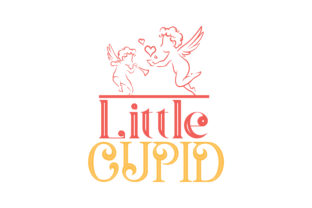
Little Cupid immediately evokes a sense of charm and lightheartedness. Its soft curves and gentle lines suggest a friendly, approachable brand personality—perfect for businesses targeting families, children’s products, or seasonal promotions. The design feels handmade yet polished, making it ideal for small business branding that wants to stand out without being too formal.
This graphic design asset could work well for a bakery, a boutique shop, or a skincare brand looking to add a touch of warmth to their product labels or packaging design. It’s not overly decorative, which means it can blend seamlessly into various brand identities without clashing.
Real-World Applications for Local Businesses
Little Cupid isn’t just a pretty image—it’s a versatile graphic design asset that can be used across multiple touchpoints. From logo design to social media graphics, this illustration offers flexibility for creative entrepreneurs and small business owners who need consistent branding across different platforms.
- Product Labels: Use Little Cupid on food labels, handmade soap tags, or candle jars to add a personal, artisanal touch.
- Packaging Design: Incorporate it as an accent on gift boxes, tote bags, or eco-friendly packaging to create visual interest.
- Social Media Graphics: Add it to Instagram posts, Facebook ads, or Pinterest pins to reinforce brand identity and attract attention.
- Printable Design: Use it for thank-you cards, stickers, or promotional flyers that align with your brand’s aesthetic.
- Marketing Visuals: Integrate it into email newsletters, website banners, or digital ads to create a cohesive visual hierarchy.
For a local coffee shop or a handmade jewelry store, Little Cupid could serve as a subtle but effective branding element that reinforces the brand’s story and values.
Supporting Business Presentation and Brand Identity
When used thoughtfully, Little Cupid can enhance the overall presentation of a small business. It helps create a stronger first impression, improves product recognition, and supports a more consistent brand identity across all materials.
Whether you’re designing a product mockup for a new line of candles or creating a seasonal campaign for a florist, this graphic design asset can help build trust with customers. It adds a layer of professionalism to packaging design and makes marketing visuals more engaging.
By incorporating Little Cupid into your design workflow, you can also improve the emotional connection between your brand and its audience. A well-placed illustration can make a product feel more personal and memorable.
Where Little Cupid Shines
Little Cupid works best in areas where visual appeal and brand personality are key. It’s ideal for:
- Product Labels: Adding a unique touch to product packaging without overshadowing essential information.
- Hero Graphics: Using it as a focal point in banners, posters, or digital ads to draw attention.
- Seasonal Packaging: Enhancing holiday or event-themed designs with a festive flair.
- Social Media Campaigns: Creating eye-catching visuals that align with your brand’s tone and style.
- Printable Inserts: Including it in brochures, guides, or customer information sheets.
It’s also a great choice for boutique visuals, where aesthetics play a big role in customer experience.
Where to Use with Caution
While Little Cupid is a strong graphic design asset, it may not be suitable for every application. Avoid using it in:
- Formal Corporate Branding: Where a more minimalist or professional look is required.
- Very Small Labels: As the details might not translate well at smaller sizes.
- Crowded Product Packaging: To prevent visual clutter and maintain clarity.
- Legal or Ingredient Areas: Where text needs to be the main focus.
- Low-Contrast Backgrounds: To ensure visibility and readability.
- Luxury Minimalist Brands: That prioritize simplicity over decorative elements.
Always test the design in real-world scenarios before finalizing any project.
Practical Designer Notes
As a brand designer, I always recommend testing any graphic design asset before full implementation. Here are some practical steps to consider when working with Little Cupid:
- Test on Real Packaging Mockups: See how it looks on different materials and sizes.
- Check Black and White Usage: Ensure it remains visually appealing without color.
- Preview on Small Labels: Confirm it’s legible at reduced scales.
- Test with Brand Colors: Make sure it complements your existing palette.
- Compare with Competitor Packaging: Ensure it stands out while fitting within industry standards.
- Review PNG Transparency: For use in digital formats like social media or web design.
- Inspect SVG or Vector Editability: For customization in Adobe or Corel.
- Confirm Commercial Licensing: Before using it for client work or physical product sales.
These steps will help ensure that Little Cupid enhances your small business branding rather than complicates it.
Final Thoughts: A Versatile Graphic for Creative Entrepreneurs
Little Cupid is more than just a clipart or illustration—it’s a tool that can support a wide range of design needs for local businesses, handmade sellers, and creative entrepreneurs. Whether you're working on product labels, packaging design, or social media graphics, this graphic design asset offers a balance of charm and versatility.
With the right approach, Little Cupid can help elevate your brand identity, strengthen customer engagement, and make your marketing visuals more compelling. As long as it’s used strategically, it can become a valuable part of your commercial design toolkit.