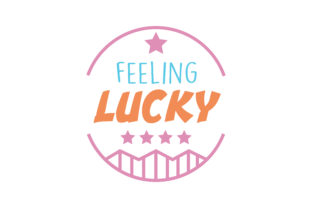
Feeling Lucky Embroidery Design
As a designer who’s worked with countless machine embroidery designs, I always start by asking: does this design feel like it was made for real use? Feeling Lucky checks that box. The moment I opened the files, I could tell this is a design that’s been thought through—both in its visual appeal and its practicality for real-world projects.
The First Impression: A Design That Feels Right
Feeling Lucky has a casual, playful vibe that leans into the idea of luck and positivity. The layout is balanced, with a central motif that’s neither too busy nor too simple. It feels like something you’d see on a vintage t-shirt or a handmade gift, making it versatile for a range of projects. The detail level is just right—enough to catch the eye without being overwhelming.
This design would naturally fit into custom apparel, like a tote bag design or a sweatshirt embroidery. It also works well as an embroidered patch or a baby item, where the soft, friendly look can translate into something meaningful and personal.
Real-Life Use: How Feeling Lucky Performs
I tested Feeling Lucky on a few different fabrics and found it holds up well on most common materials. The stitch density is appropriate for a design of this size, and the overall structure doesn’t seem to be too dense or too sparse. It’s a good candidate for a variety of embroidery projects, from personalized gifts to small shop merchandise.
One scenario I imagined was creating a custom tote bag for a client. Feeling Lucky would look great on a cotton canvas tote, adding a touch of personality without overpowering the fabric. It also works well on a sweatshirt, where the design can stand out without looking cluttered.
For baby items, the design’s simplicity makes it a safe choice. It’s not too detailed, which means it won’t get lost on delicate fabrics or in a child’s wardrobe. And for holiday embroidery, the design’s cheerful tone fits perfectly—whether it’s for a gift or a boutique product.
Where to Be Careful: Potential Limitations
While Feeling Lucky is a solid design, there are a few areas where caution is needed. If you’re working with small hoop sizes, this design might require multiple hooping sessions, which could slow down your workflow. It also has some fine details that may not show up well on textured fabrics or thin, stretchy materials.
On dark fabrics, the design might need a bit more thread color contrast to ensure visibility. If you're planning to use it on a layered garment or a curved surface like a cap, you’ll want to test it first to make sure the stitches hold up under stress.
Small lettering or intricate corners could be a challenge if the design isn’t optimized for those elements. I recommend testing it on scrap fabric before committing to a final project, especially if you're using it for commercial embroidery or a digital product preview.
Impact on Visual Appeal and Customer Trust
Feeling Lucky adds a nice touch to any finished product. Its clean lines and friendly look make it easy to incorporate into a brand’s aesthetic, whether you're an Etsy seller or a craft business owner. It also helps build customer trust—when a design looks professional and well-made, buyers are more likely to feel confident in their purchase.
For handmade products, the design enhances the overall presentation. It gives a sense of care and attention to detail, which is essential when selling personalized gifts or custom apparel. As a digital embroidery file, it also offers flexibility for printable mockups and design assets, making it a valuable addition to any creative entrepreneur’s toolkit.
Practical Designer Notes: What to Check Before Using
Before jumping into a project, I always recommend testing the design on scrap fabric. This helps you see how the stitches will look on your chosen material and whether any adjustments are needed. Also, check the thread colors against the fabric background to ensure good contrast.
Review the stitch density to make sure it’s suitable for your project. If you’re using a smaller hoop, confirm that the design can be split or adjusted accordingly. Inspect small details closely—sometimes what looks good on a screen can be harder to stitch in practice.
Test the design in black and white mockups to see how it translates without color. Compare it on both light and dark fabrics to ensure it works in different settings. Always use the proper stabilizer for your fabric type, and double-check the licensing terms if you plan to sell finished items or digital products.
Final Thoughts: A Design That Works for Real Projects
Feeling Lucky is a design that feels like it was made with real use in mind. It’s versatile enough to fit into a variety of embroidery projects, from custom apparel to holiday gifts. It’s also thoughtful in its execution, making it a reliable choice for both personal and commercial use.
If you're an embroidery designer, small business owner, or craft seller, this design could be a great addition to your collection. Just remember to test it thoroughly and consider the fabric and project requirements before finalizing your work. With the right approach, Feeling Lucky can help elevate your handmade products and bring a little luck to your next project.