Wash Your Hand
As an embroidery designer and product reviewer, I often find myself evaluating new designs with a critical eye—looking for quality, usability, and practicality. The Wash Your Hand design caught my attention not just for its simple message, but for how it could translate into real-world embroidery projects. Whether you're a small business owner, a craft seller, or a hobbyist, this design offers potential—but it also comes with some considerations that need to be addressed before use.
The First Impression: A Simple Message with Big Potential
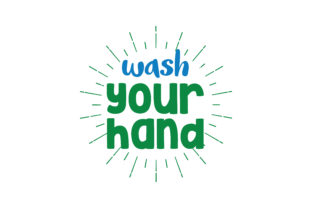
From the moment I saw Wash Your Hand, I recognized its strong visual identity. The design is clean, minimal, and easy to read. It features a hand in a stylized shape, with a water droplet or soap bubble nearby. The layout is balanced, and the overall aesthetic feels modern yet approachable. This makes it ideal for a variety of applications, from baby items to commercial merchandise.
The detail level is moderate. There are no intricate elements that would require high stitch density or complex stitching techniques. That’s a plus for beginners and experienced designers alike. However, it also means that the design might not stand out on its own without proper placement or color contrast.
Real-World Use Cases: Where Does Wash Your Hand Fit Best?
One of the first projects I thought of was a custom embroidered tote bag. The design is perfect for adding a personal touch to reusable shopping bags, especially for eco-conscious customers. It also works well on sweatshirts, t-shirts, and caps—especially for businesses looking to promote hygiene awareness or add a playful element to their branding.
For baby items, like onesies or blankets, Wash Your Hand could be a subtle yet meaningful addition. It’s not overly complicated, which is great for delicate fabrics. However, I’d recommend using a light stabilizer to prevent puckering on thin materials.
Another scenario is a personalized gift. The design could be used on a pillow cover, tea towel, or apron. These are all items that people might want to give as gifts, and the message has a friendly, functional tone that fits well with such products.
Where to Be Cautious: Design Limitations and Practical Concerns
While Wash Your Hand is versatile, there are a few areas where it may not perform as well. For instance, if you’re working with small hoop sizes, the design might not fit comfortably. You’ll need to adjust the size or split the design into sections if necessary.
On textured or stretchy fabrics, the design may not look as crisp. The satin stitch and fill stitch areas could become distorted if the fabric stretches during the embroidery process. Always test on a scrap piece of fabric before committing to a final project.
Thin or dark fabrics can also be a challenge. If you’re stitching on a dark background, make sure the thread colors contrast enough to be visible. On light fabrics, the design might appear too faint unless you use a stronger thread color or add a backing stabilizer.
Impact on Visual Appeal and Customer Perception
When it comes to visual appeal, Wash Your Hand is straightforward. It doesn’t have the complexity of more elaborate designs, but that’s part of its charm. It’s a design that speaks clearly and directly, which can be a big asset for handmade products or personalized gifts.
Stitching clarity is another factor. The design uses a mix of running stitch and satin stitch, which should work well on most standard embroidery machines. However, if you're using a dense stitch area, you may need to adjust the settings to avoid thread breakage or puckering.
From a customer perspective, this design can add value to your product line. It’s something people might recognize and appreciate, especially in a world where hygiene is top of mind. It can also help build trust in your brand, showing that you care about practical, meaningful design choices.
Practical Designer Notes: What to Check Before Using Wash Your Hand
Before jumping into any embroidery project, I always recommend testing the design on scrap fabric. This helps you see how it looks in different conditions and whether it meets your expectations.
Check the thread color contrast. If you're using a dark fabric, ensure the design is visible. For light fabrics, consider using a darker thread or adding a stabilizer behind the design.
Review the stitch density. If the design has areas with heavy stitching, you may need to adjust the machine settings to prevent damage to the fabric or the design itself.
Confirm the hoop size. Make sure the design fits within your available hoop dimensions. If not, you may need to resize or split the design accordingly.
Inspect the small details. Look closely at the corners and edges to ensure they’re sharp and well-defined. Tiny lettering or intricate parts may need extra attention during the stitching process.
Test the design in black and white mockups. This helps you see how it will look on different backgrounds and whether it needs adjustments for visibility.
Compare the design on light and dark fabric backgrounds. This can help you decide on the best thread colors and whether additional stabilizers are needed.
Use the proper stabilizer. Depending on the fabric type, you may need a cutaway, tearaway, or adhesive stabilizer to keep the design from puckering or distorting.
Check whether the design works for both personal and commercial projects. Make sure you understand the licensing terms before selling finished items or digital products.
Final Thoughts: A Useful Design with Thoughtful Application
Wash Your Hand is a solid machine embroidery design that has clear applications across a range of projects. Its simplicity makes it accessible, but it also requires careful consideration when it comes to fabric choice, stitch settings, and visual presentation.
Whether you're creating custom apparel, personalized gifts, or small shop merchandise, this design can be a valuable addition to your collection. Just remember to test it thoroughly, pay attention to detail, and ensure it aligns with your brand’s aesthetic and quality standards.